
I’ve worked with a handful of small nonprofits over the years, and almost every time someone suggests switching to free nonprofit CRM software, it comes from a good place. Budgets are tight, donations are unpredictable, and every expense feels like a trade-off.
On paper, a free CRM for nonprofits sounds like a no-brainer. You get donor tracking, email tools, maybe even automation without paying a cent. But the reality? It’s rarely that simple.
What starts as “free” often turns into a patchwork of upgrades, add-ons, and workarounds. And suddenly, your nonprofit tech budget is stretched in ways you didn’t expect.
What is Non-Profit CRM Software?
Core Features Explained
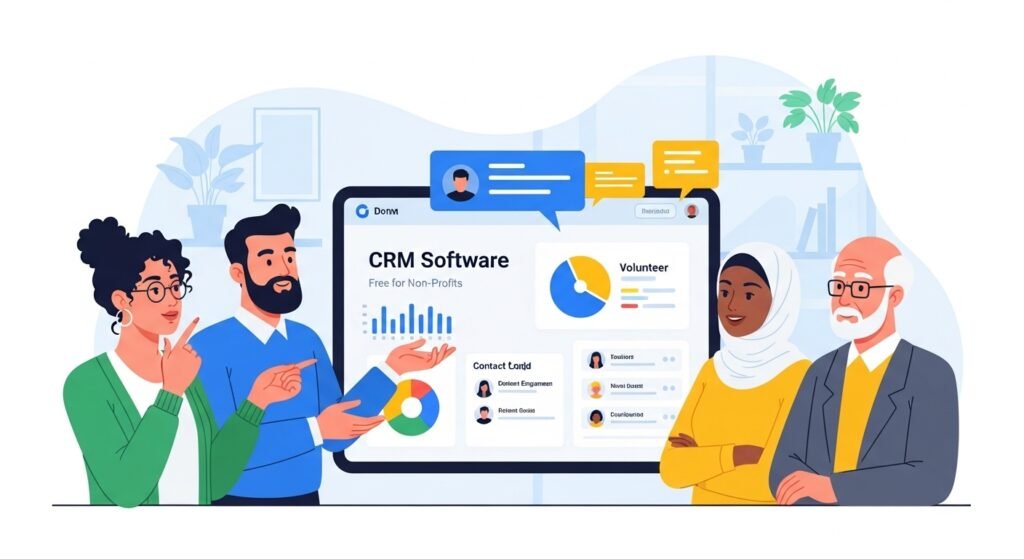
If you’re new to this, a nonprofit CRM (Customer Relationship Management system) is basically your organization’s brain for managing relationships.
It helps you:
- Track donors and donations
- Manage volunteer information
- Send emails and campaigns
- Monitor fundraising performance
- Store contact details in one place
Think of it as a smarter version of spreadsheets. Instead of juggling Excel files, emails, and notes, everything lives in one system.
From what I’ve seen, even the most basic donor management system can save hours of manual work. But not all CRM tools are built equally especially the free ones.
Read More: https://garminlive.com/12-high-demand-business-ideas-for-beginners-in-2026/
Why Nonprofits Choose Free CRM Software
Budget Constraints & Appeal
Most nonprofits don’t choose free tools because they want to they choose them because they have to.
When you’re running a small charity or startup NGO, every dollar counts. Spending on software often feels like a luxury when there are programs to fund and people to serve.
Free CRM tools promise:
- Zero upfront cost
- Quick setup
- Basic functionality
- Accessibility for small teams
For early-stage organizations, these tools can feel like a lifeline. And honestly, sometimes they are at least in the beginning.
But the “freemium” model is where things get tricky.
Hidden Costs of Free Non-Profit CRM Software
1. Limited Features & Paid Upgrades
Most free CRM plans are essentially teaser versions.
You’ll get just enough functionality to get started, but key features like advanced reporting, automation, or segmentation are locked behind paywalls.
I’ve seen teams hit this wall quickly when they try to scale fundraising campaigns.
Suddenly, you’re looking at monthly subscription plans just to unlock features that feel essential.
2. Data Storage & Contact Limits
This is one of the biggest hidden CRM costs.
Many platforms cap the number of contacts or records you can store. For example:
| Feature | Free Plan Limit | Paid Upgrade Needed |
|---|---|---|
| Contacts | 500 | Yes |
| Email Sends | Limited/month | Yes |
| Storage | Basic | Yes |
At first, 500 contacts might seem like plenty. But as your donor list grows, you’ll hit that ceiling faster than expected.
And once you do, there’s no going back you have to pay.
3. Add-ons & Integrations Cost
Here’s something many people overlook: the core CRM might be free, but the ecosystem isn’t.
Want to connect your CRM with email marketing tools or payment gateways? That usually costs extra.
Common paid integrations include:
- Email platforms
- Donation processors
- Automation tools
So while the CRM itself is free, your overall nonprofit tech stack starts getting expensive.
4. Training & Onboarding Expenses
Time is money even in nonprofits.
Free tools often come with limited documentation or confusing interfaces. That means your team spends more time figuring things out instead of actually using the system.
I’ve seen volunteers struggle for weeks just to understand basic workflows. In some cases, organizations end up paying for training or consultants anyway.
5. Customer Support Limitations
Support is another hidden trade-off.
Free users typically get:
- Slow email responses
- No live chat
- Limited troubleshooting help
When something breaks and it will you’re not a priority.
This can be frustrating, especially during critical fundraising periods.
6. Data Migration & Customization Costs
Moving from spreadsheets to a CRM isn’t always smooth.
Data migration can be messy:
- Duplicate contacts
- Missing fields
- Formatting issues
And if you want customization? That often requires technical help.
Even if the software is free, setup and configuration can cost time, effort, or even money.
Read More: https://garminlive.com/ifvod-tv-apk-2026-latest-version-features-safe-install-guide/
Real-Life Example – When “Free” Became Expensive
A small nonprofit I worked with started using a free donor management software.
At first, it worked perfectly. They tracked donors, sent emails, and managed events all without paying anything.
Six months later:
- They exceeded contact limits
- Needed email automation
- Required better reporting
They upgraded.
Then came integration costs for payments. Then training for staff. Then support upgrades.
By the end of the year, they were spending more than they would have on a reasonably priced paid CRM from the start.
That’s the reality of many CRM pricing myths.
How to Choose the Right CRM Without Hidden Costs
Key Factors to Evaluate
Before choosing any nonprofit CRM tools (free or paid), ask:
- What features are included in the free plan?
- What happens when we grow?
- Are there contact or storage limits?
- How transparent is the pricing?
- What integrations will we need?
A proper nonprofit software comparison upfront can save a lot of frustration later.
Tips to Avoid Hidden Fees
From experience, here’s what actually helps:
- Read the pricing page carefully (not just the headline)
- Look for “per user” or “per contact” costs
- Test the platform with real data before committing
- Ask about future upgrade pricing
- Check what support is included
Many people skip these steps and regret it later.
Best Free CRM Options (With Transparent Pricing)
Not all free CRM tools are misleading. Some are fairly transparent and usable if you understand their limits.
A few worth considering:
- HubSpot CRM – generous free plan, but upgrades can add up
- Zoho CRM – flexible, with clear pricing tiers
- Bitrix24 – feature-rich, though slightly complex
- Airtable – not a traditional CRM, but works for small teams
- CiviCRM – open-source, good for nonprofits with tech support
From what I’ve seen, the key is not finding a “perfectly free” tool but one with predictable costs.
FAQs
Common Questions About Free Nonprofit CRM software
Is free CRM enough for small nonprofits?
Yes, for very small teams or early stages. But growth usually requires upgrades.
What’s the biggest hidden cost?
Contact limits and feature upgrades. They hit sooner than expected.
Can I scale later?
You can but scaling often means paying. Plan for that early.
Conclusion
Free isn’t always free.
That’s the simplest way to put it.
Free nonprofit CRM software can be a great starting point, but it’s not a long-term strategy unless you fully understand its limitations. The real cost isn’t just money it’s time, inefficiency, and missed opportunities.
A smart approach is to think beyond “free” and focus on value. Look at the full CRM cost breakdown, consider your growth, and choose tools that align with your mission not just your budget today.
Because in the long run, informed decisions save far more than free tools ever will.
About The Author




Pingback: What Is TotalSportek 2026? Guide to Features, Safety & Streaming
Pingback: The Hidden Infrastructure Behind Scalable B2B Growth